



When Do Puppies Stop Growing
|
|
Time to read 8 min
|
|
Time to read 8 min
Puppies seem to grow incredibly fast, and many owners find themselves asking when do puppies stop growing and how big their dog will end up. According to the American Kennel Club, puppies can take anywhere from 6 to 24 months to finish growing, depending on their breed and size. This wide range is why growth can feel unpredictable, especially if you are new to owning a dog. Understanding how puppies grow and what affects their development can help you support them at every stage.
Puppies grow over a period that usually ranges from 6 to 24 months. Smaller breeds grow quickly and reach maturity earlier, while larger breeds take longer because their bones and joints need more time to develop. Growth is not steady, and you may notice your puppy growing quickly for a short time, followed by a slower period. This pattern is completely normal.
Most puppies stop growing taller between 9 and 18 months. This happens when their growth plates close and their bones reach their final length. After this stage, your puppy will not get any taller, but they may still gain weight and muscle as they mature.
Breed plays the biggest role in determining how big your puppy will become. Smaller breeds like Chihuahuas mature much faster than larger breeds such as Labradors or Great Danes. Genetics also matter, so looking at your puppy’s parents can give you a useful guide. Male dogs are often slightly larger than females within the same breed.
Predicting size in mixed-breed puppies can be more difficult. They may grow to a size similar to one of their parents or fall somewhere in between. While it is not exact, observing the size and build of both parents can give you a rough idea of what to expect.
Puppies grow very quickly in their early weeks. They can double their birth weight within the first week of life, and this fast development continues for several weeks before slowing down as they get older.
It is common for puppies to grow in spurts. You might notice sudden changes in their size, followed by periods where growth appears to slow. Alongside physical growth, puppies also develop socially and behaviourally, learning how to interact with people and other animals.
From birth to two weeks, puppies are entirely dependent on their mother and grow rapidly. Between two and eight weeks, they begin to walk, play and interact more with their surroundings. From two to six months, teething begins and growth spurts become more noticeable. Between six and twelve months, growth slows as they approach their adult size. Larger breeds may continue developing until they are up to two years old.
Small breeds usually stop growing between 6 and 9 months. They reach their full height quickly but may still gain a little muscle afterwards.
Medium-sized dogs tend to stop growing between 9 and 12 months. After this point, they may still fill out slightly as they mature.
Large and giant breeds take much longer to develop. Many will stop growing between 12 and 18 months, although some giant breeds can take up to 24 months to fully mature.
Purebred dogs are generally easier to predict because breed standards provide a clear idea of their expected size. Mixed-breed dogs can vary more, which means their final size may be less predictable.
Breed size and genetics are the main factors that influence how quickly a puppy grows. Larger breeds take longer to reach maturity because their bones and joints need more time to develop, while smaller breeds grow and reach their full size much faster. Genetics also affect things like body shape, weight and overall growth rate. Looking at your puppy’s parents can give you a clearer idea of how big they may get and how long their growth period is likely to last.
Early care plays a big role in how well a puppy develops. In the first few weeks, puppies rely entirely on their mother’s milk, which provides the nutrients and antibodies they need to grow and stay healthy. Weaning usually begins at around four weeks, when puppies start to move onto solid food. During this stage, it is important that they are introduced to food gradually and kept in a warm, safe environment. Good early care helps support steady growth and reduces the risk of health problems later on.
A balanced diet is vital for healthy growth. Puppies need food that is rich in protein, vitamins and minerals to support strong bones, muscles and overall development. Feeding the wrong type of food or poor-quality nutrition can slow growth or lead to issues such as weak bones or being underweight. It is also important not to overfeed, as excess weight can put strain on developing joints, especially in larger breeds. Choosing food designed specifically for puppies and following feeding guidelines will help keep their growth on track.
Puppies begin to develop their baby teeth at around three to four weeks old. These small, sharp teeth will gradually fall out and be replaced by adult teeth, usually by the time your puppy is around six months old. During this stage, you may notice more chewing, biting or discomfort as their new teeth come through. This is a clear sign that your puppy is still developing and has not yet reached full maturity.
As your puppy grows, their overall appearance will begin to change. Their ears may shift in shape or position, especially in breeds where ears eventually stand up. At the same time, their body will start to look more balanced, moving from a slightly awkward puppy shape to a more proportioned adult build. These gradual changes show that your puppy is still going through important growth stages.
A puppy’s paws can offer a rough clue about how much growing they still have left to do. If their paws look large compared to the rest of their body, it often means they are still catching up and have more growth ahead. However, this is not always accurate for every dog, as some breeds naturally have larger paws. It is best to use this as a general guide alongside other signs of development.
Feeding your puppy the right food is key to their development. Puppies need a diet that supports their rapid growth, so choosing high-quality puppy food designed for their age and breed size is important. This type of food contains the right balance of protein, fats and nutrients to help build strong bones and muscles. Following feeding guidelines will also help prevent overfeeding, which can lead to weight issues and put pressure on developing joints.
It is important to stick to recommended portion sizes based on your puppy’s age, weight and breed. Regularly monitoring your puppy’s body condition will help you make sure they are growing at a healthy rate. Treats should be given in moderation and should not replace balanced meals. Fresh water should always be available, and feeding routines should stay consistent to support digestion and overall health.
Large and giant breed puppies have different nutritional needs compared to smaller dogs. Their growth must be steady rather than too fast, as rapid growth can affect their joints and bones. A carefully balanced diet, particularly with controlled calcium levels, is important to support proper bone development. Feeding food specifically made for large breed puppies can help manage this and reduce the risk of long-term health problems.
Exercise is important for building strong muscles and supporting healthy development, but it needs to be suitable for your puppy’s age. Short walks and gentle play sessions are ideal, especially in the early months. Too much intense activity, such as long runs or jumping, can put strain on growing joints and should be avoided until your puppy is fully grown. Keeping exercise controlled helps protect their developing body.
Regular vet visits play an important role in your puppy’s growth. Routine health checks allow any issues to be spotted early, while vaccinations and preventative treatments help keep your puppy protected from illness. Your vet can also give advice on feeding, weight management and general care to make sure your puppy is developing as expected.
Socialisation is an important part of your puppy’s overall development. Introducing them to different people, environments and situations from a young age helps them become more confident and comfortable as they grow. Positive early experiences can reduce the risk of behavioural problems later on and help your puppy develop into a calm and well-adjusted adult dog.
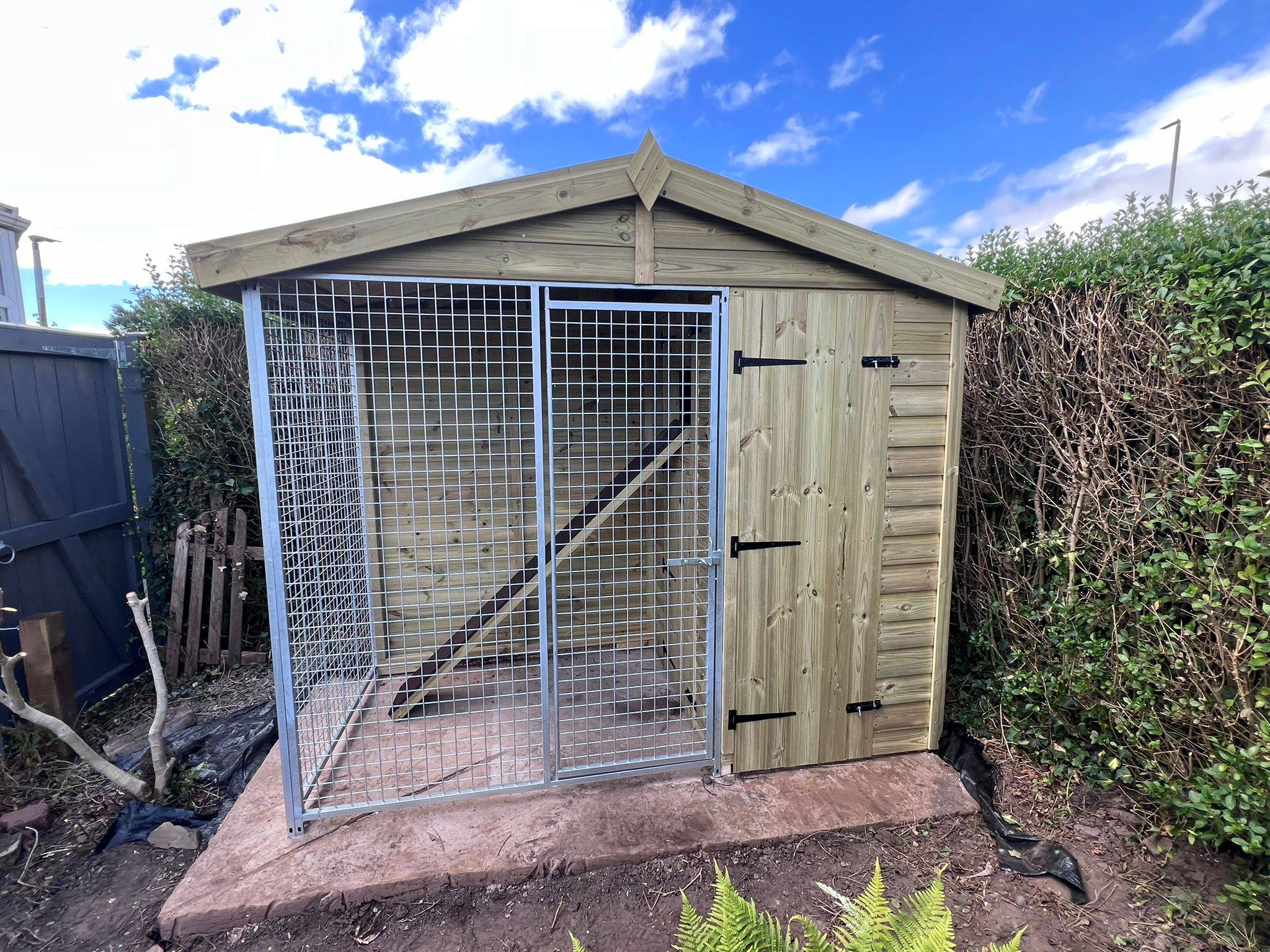
Spending time in a safe, comfortable kennel environment can also help puppies get used to being alone and build confidence. Choosing a well-designed space from Kennel Company can support your puppy’s routine while giving them a secure place to rest.
In conclusion, understanding when puppies stop growing comes down to knowing your dog’s breed, size and development. Smaller dogs reach their full size much sooner, often within the first year, while larger breeds can take up to two years to fully mature. Puppies grow in stages, with fast early development followed by slower changes as they gain muscle and weight. Nutrition, early care and suitable exercise all support healthy growth, and signs such as teething and body changes can help you track their progress.
By paying attention to these stages and providing the right care, you can help your puppy grow into a healthy adult dog. For more advice and guidance, visit Kennel Company.
Most puppies stop growing in height between 9 and 18 months, but larger breeds can take up to 24 months to fully mature. They may continue to gain muscle and weight after reaching their full height.
Puppies usually stop growing taller first, then continue to fill out over several months as they develop muscle and body mass.
You may notice signs such as weight gain, changes in body shape, teething, or paws that look large compared to the body. These can suggest your puppy still has some growing to do.
No, puppies grow in spurts. It is normal for them to grow quickly for a period and then slow down before the next growth phase.
Paw size can give a rough idea, but it is not always reliable. Some puppies have large paws and do not grow as big as expected.