


When Can Puppies Go Outside
According to Dogs Trust, the first four months of a puppy’s life are one of the most important stages for socialisation and learning about the world around them. During this period, puppies begin developing confidence, behaviour patterns and reactions to new experiences that can stay with them into adulthood.
Bringing home a puppy is exciting, and one of the biggest questions new owners ask is “when can puppies go outside?” Most owners cannot wait to start walks, introduce their puppy to friends and family, and enjoy outdoor adventures together. While it is tempting to begin straight away, timing is important. Puppies need enough protection from vaccinations before safely mixing with other dogs or visiting public spaces.
At the same time, puppies still need positive experiences during their early weeks to help them grow into relaxed and confident adult dogs. Finding the right balance between keeping your puppy safe and helping them experience the world can feel confusing for first-time owners.
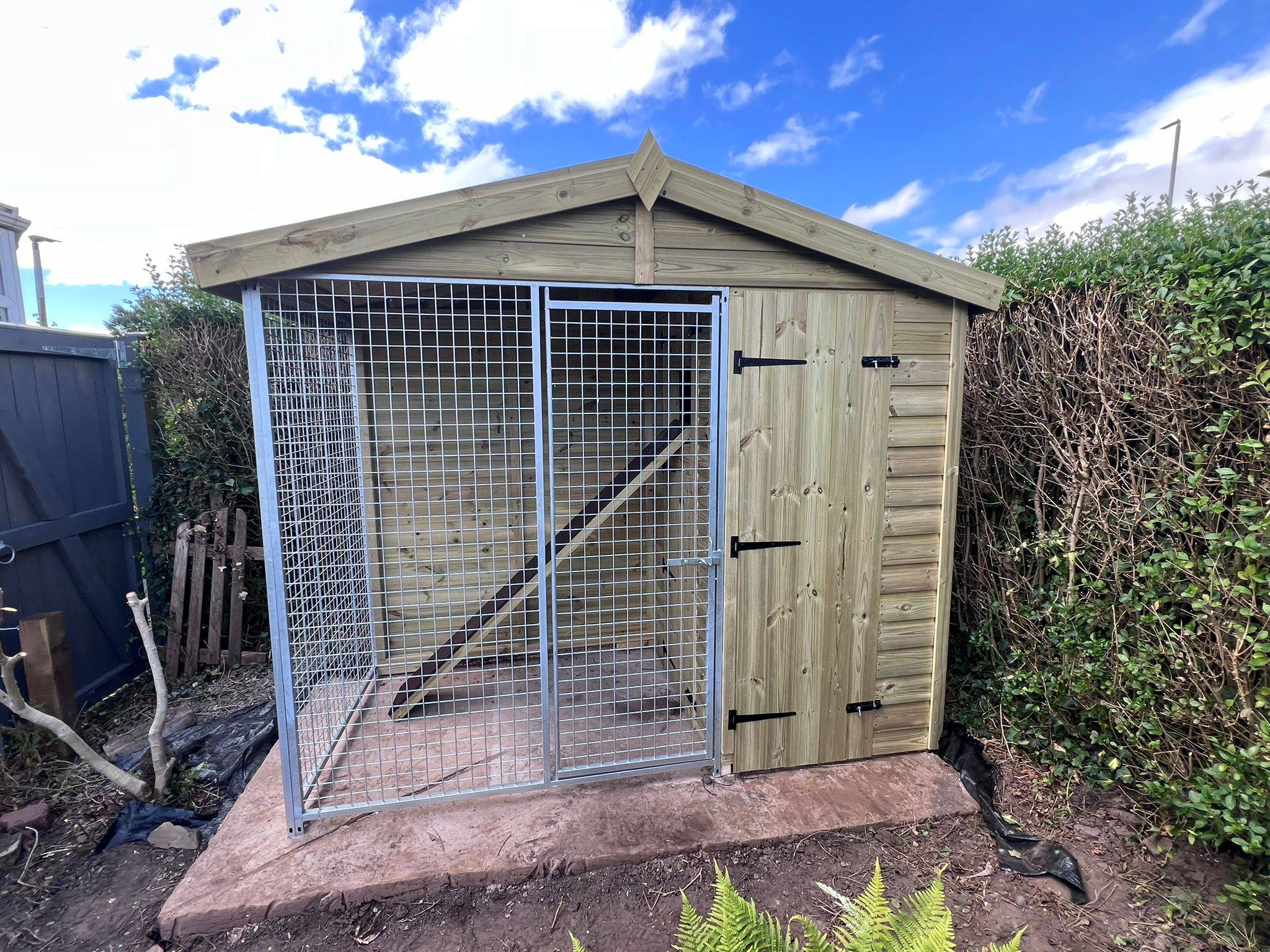
This guide explains when puppies can go outside safely, how vaccinations affect outdoor time, when puppies are safe to socialise in public, and how to prepare your puppy for their very first walks. It also covers ways to safely exercise and socialise your puppy before they are ready for public adventures. If you are planning ahead for future holidays, overnight stays or crate training, this is also a great time to help your puppy become comfortable with safe resting spaces and secure kennels at home.
When Can Puppies Go Outside for the First Time?
The answer to “when can puppies go outside” usually depends on vaccinations. Most vets recommend waiting until around one to two weeks after your puppy’s final vaccination before allowing them into public places where other dogs have been.
For many puppies, this means outdoor walks start between 12 and 16 weeks old, although every puppy is different. Your vet will advise the safest time based on your puppy’s vaccination schedule and health.
Young puppies are vulnerable to serious illnesses before vaccinations are complete. Diseases such as parvovirus, distemper and kennel cough can spread through contaminated ground, dog waste or contact with infected dogs. Because of this, busy walking routes, parks and public dog areas should be avoided too early.
Although public walks may need to wait, your puppy can still begin safely experiencing outdoor sights and sounds before this stage. Short supervised periods in secure outdoor areas can help puppies become familiar with different environments without unnecessary risk.
When Can Puppies Start Going Outside and Walking?
Many owners asking “when can puppies go outside” are specifically wondering when proper walks can begin. Once your puppy has completed their vaccinations and your vet confirms they are fully protected, they can usually begin short outdoor walks.
The first walk should be calm and positive rather than long or energetic. Your puppy will be seeing, hearing and smelling completely new things for the first time, which can feel exciting but also overwhelming. Some puppies happily investigate everything around them, while others need more reassurance and patience.
Allowing your puppy to move at their own pace helps build confidence. Avoid busy roads, loud environments or crowded dog walking areas during the first few walks. Quiet spaces help puppies feel more relaxed while learning about the outside world.
Many owners also ask “When are puppies safe to socialise in public?” Puppies are generally considered safe to socialise in public after their vaccinations are fully complete and immunity has developed properly. Your vet can confirm when this stage has been reached.
How Puppy Vaccinations Affect Outdoor Time
Vaccinations are one of the biggest factors in deciding when puppies can go outside safely. Puppies receive multiple injections during their early weeks to help protect them against dangerous diseases.
These vaccinations commonly include protection against:
-
Parvovirus
-
Distemper
-
Leptospirosis
-
Kennel cough
Even after receiving vaccinations, puppies are not protected immediately. Their immune system needs time to build immunity, which is why most vets recommend waiting another week or two before introducing public walks.
Owners often search “When are puppies safe to socialise in public” because they worry about missing socialisation opportunities while waiting for vaccines to take effect. While public spaces should be avoided initially, there are still safe ways to socialise your puppy during this stage.
Can Puppies Go Into the Garden Before Vaccinations?
In many cases, puppies can safely spend time in a private enclosed garden before vaccinations are complete. This is usually considered lower risk if the area has not recently been visited by unvaccinated or unwell dogs.
A secure garden gives puppies the chance to begin toilet training outdoors, experience fresh air and practise walking on a lead in a more controlled environment.
Owners should still be cautious about wildlife and shared outdoor spaces. Foxes and other animals may carry diseases that could pose risks to young puppies. If you are unsure whether your garden is safe, your vet can offer advice based on your area and circumstances.
This early stage is also useful for helping puppies become comfortable spending short periods relaxing independently. Introducing a calm sleeping space or kennel area at home can help puppies settle more easily and create positive routines from the beginning.
How to Socialise a Puppy Safely Before Walks
Socialisation is an important part of puppy development. Puppies that experience positive situations early in life are often more relaxed around people, dogs and unfamiliar environments as adults.
Although public walks may need to wait, there are still plenty of ways to help your puppy safely experience the world during this important stage.
Safe Socialisation Tips for Young Puppies
Owners searching “When are puppies safe to socialise in public” are often concerned about balancing socialisation with safety. Fortunately, puppies can still gain valuable experiences without visiting busy public places.
Carrying your puppy outdoors allows them to hear traffic, see people and experience new surroundings while staying protected. Sitting in the garden, watching the world from the car or safely visiting friends can all help puppies gain confidence.
Introducing puppies gradually to household sounds such as vacuum cleaners, washing machines and doorbells can also help them feel more comfortable later in life.
Introducing Puppies to Other Dogs, Puppy Classes and New Experiences
Before public walks begin, puppies can often safely interact with healthy vaccinated dogs belonging to trusted friends or family members. Controlled introductions help puppies learn important social skills in safer environments.
Puppy training classes may also be suitable before full vaccinations are complete, provided vaccination checks are required before attendance. These classes can help puppies become familiar with other dogs, people and training routines.
If you are wondering “When are puppies safe to socialise in public,” supervised contact with vaccinated dogs is usually far safer than visiting busy dog parks too early.
How to Exercise a Puppy Before They Can Go on Walks
Young puppies still need mental and physical activity before outdoor walks begin.
Short indoor play sessions, training exercises and food-based enrichment games can help puppies burn energy safely. Puppies naturally tire quickly, so exercise should remain gentle and age-appropriate.
Games involving treats, toys and basic commands are ideal for keeping your puppy engaged while supporting early learning. Many owners also begin introducing crates or indoor kennels during this period to help puppies feel secure and settled between play sessions and rest periods.
Preparing for Your Puppy’s First Walk
A little preparation can help your puppy feel much more confident once walks finally begin.
Getting Your Puppy Used to a Collar, Harness and Lead
Before heading outdoors, spend time helping your puppy become comfortable wearing a collar, harness and lead around the house.
Some puppies accept new equipment quickly, while others need time to adjust. Introduce everything slowly using praise and treats to create positive associations.
A properly fitted harness can help puppies feel more secure and comfortable during their first walks.
Teaching Recall and Lead Walking at Home
Practising simple training exercises before outdoor walks can make future training much easier.
Teaching your puppy to come back when called is one of the most important early skills. Start indoors or in the garden using treats and positive encouragement.
Lead walking can also begin at home. Reward your puppy for calmly staying near you and following your movements. These early lessons help build confidence before outdoor distractions become part of walks.
What to Take on Your Puppy’s First Walk
Being prepared makes first walks more enjoyable for both you and your puppy.
Your puppy should wear a secure collar or harness with an ID tag attached. You should also bring poo bags, treats, water and a lead suitable for small puppies.
The goal during these first walks is helping your puppy feel safe and relaxed rather than covering long distances.
Tips for a Positive Puppy Walking Experience
Your puppy’s first walks help shape how they feel about outdoor environments in the future. Calm, enjoyable experiences help puppies become more confident over time.
Keeping Your Puppy Safe, Calm and Confident Outdoors
Choose quieter walking routes during the early stages. Busy roads, loud noises and large groups of dogs can feel overwhelming for young puppies.
Allow your puppy plenty of opportunities to stop, sniff and observe their surroundings. Sniffing is mentally stimulating and helps puppies process new experiences naturally.
Some puppies may need frequent breaks or reassurance during their first few walks. Patience is important while they continue learning about the world around them.
Using Treats, Sniffing and Short Walks to Build Confidence
Treats are useful for rewarding calm behaviour and positive experiences outdoors. Reward your puppy for checking in with you, walking calmly or responding to their name.
Keeping walks short helps avoid overwhelming young puppies physically or mentally. Confidence grows gradually over time through repetition and positive experiences.
As your puppy becomes more comfortable outdoors, you can slowly introduce longer walks, different locations and new environments. Safe spaces at home, including indoor rest areas or kennels, can also help puppies relax after busy outdoor experiences and support healthy daily routines.
When Can Puppies Go Outside? Final Thoughts
In conclusion, understanding when puppies can go outside is an important part of helping your puppy stay healthy, safe and confident during their early development. While it may feel exciting to begin outdoor adventures straight away, waiting until vaccinations are complete helps reduce the risk of serious illness. Safe socialisation, gentle training and positive early experiences all play a huge role in helping puppies grow into calm and confident adult dogs.
Taking things slowly, following veterinary advice and helping your puppy feel secure both indoors and outdoors will create a far more positive start to life. For more puppy advice, dog products and practical solutions for home training, rest spaces and kennels, visit Kennel Company.
FAQs About When Can Puppies Go Outside
1. When can puppies go outside after vaccinations?
Most puppies can safely go outside around one to two weeks after their final vaccinations, although your vet will confirm the safest timing.
2. When are puppies safe to socialise in public?
Puppies are usually safe to socialise in public after completing their vaccination schedule and allowing enough time for immunity to build fully.
3. Can puppies go into the garden before vaccinations?
Many puppies can safely use a private enclosed garden before vaccinations are complete if the space is clean and low risk.
4. Can I carry my puppy outside before vaccinations?
Yes, carrying your puppy outdoors is a good way to safely introduce them to new sights, sounds and environments before public walks begin.